
A beautifully designed building can still confuse people. That usually happens when identity and wayfinding are treated as finishing touches rather than fundamentals.
Argus works alongside developers and architects from the beginning — so the experiential layer isn’t added on, it’s built in.
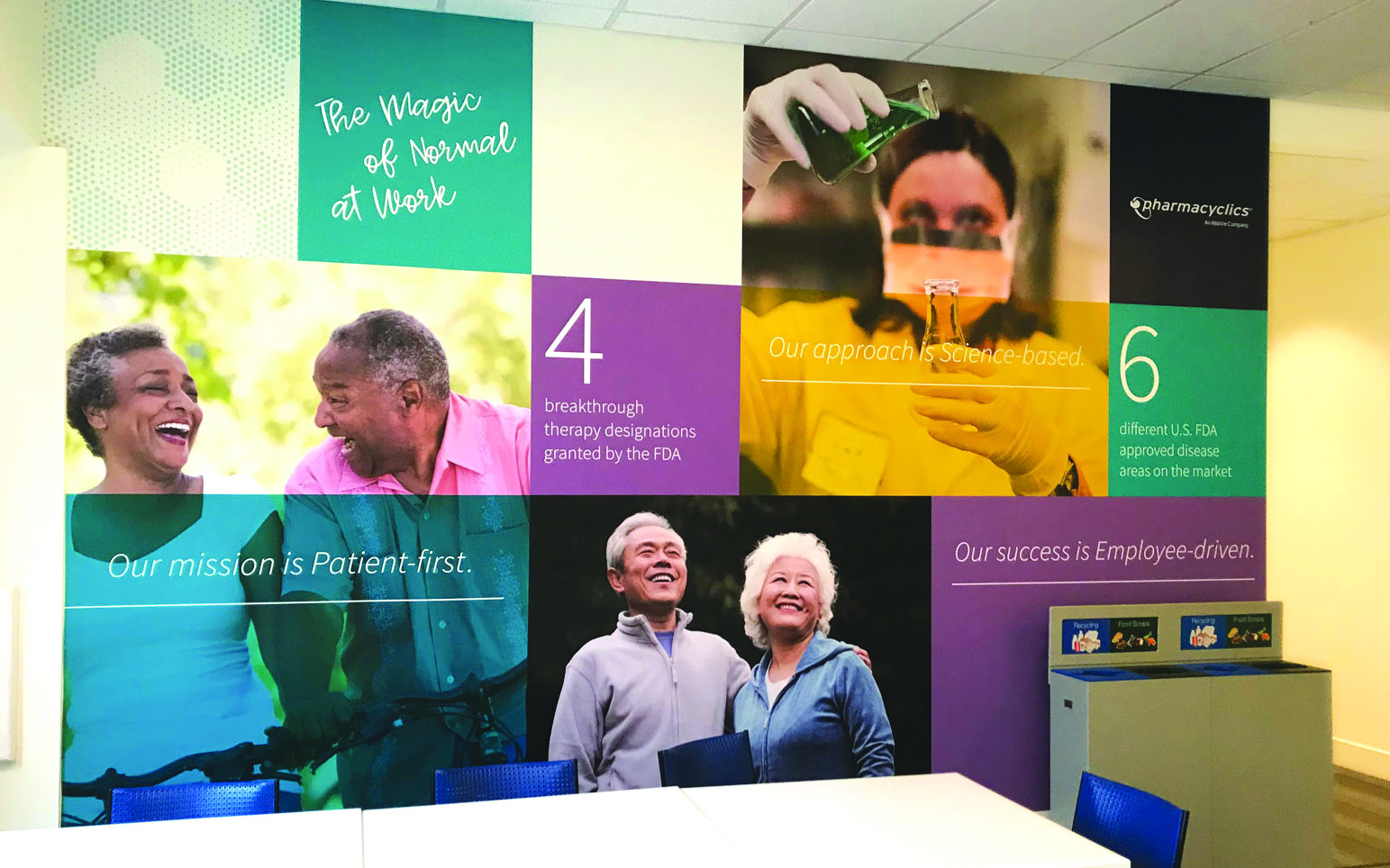
Experiential Design, Aligned with Architecture
We get involved early — early enough that wayfinding and identity are part of the design conversation, not applied after the fact.
That means working through spatial hierarchy, circulation, and thresholds alongside the architecture. At that stage, before things are locked in, the environmental system can shape the experience rather than just describe it. The result is signage that reinforces architectural language, clearer movement through complex sites, and less coordination friction at the end.
The goal was never more signage. It’s a more legible environment — one where the space itself does most of the work.
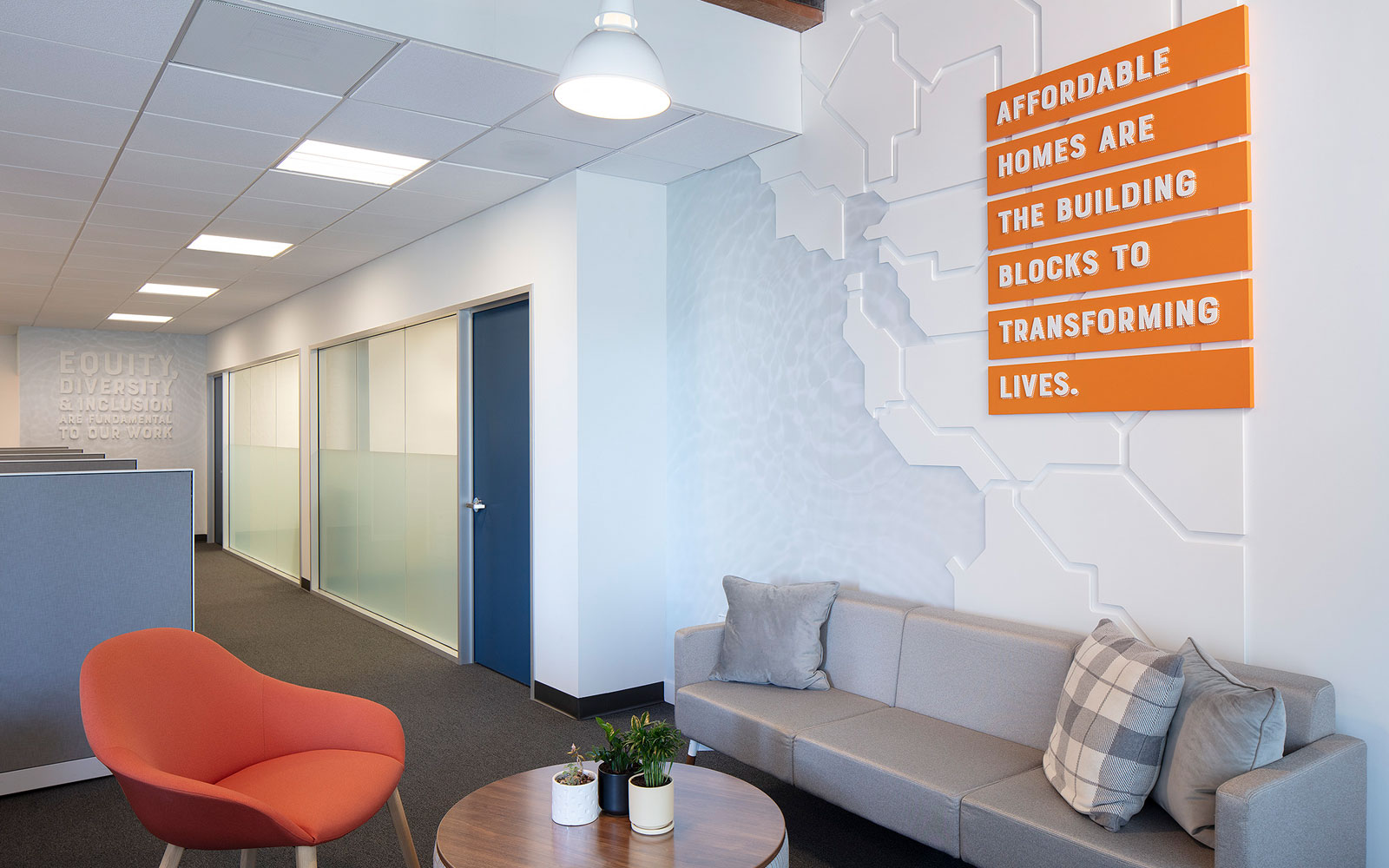
Designed for Complex Environments
Residential, mixed-use, workplace, campus, civic — the details differ, but the challenge is the same: coherence at every scale, for everyone using the space.
Developers need systems that hold up over time and adapt as needs change. Architects need environmental elements that carry design intent forward without competing with it. Users need spaces that make sense.
We bring those priorities into alignment — connecting people to place while protecting what the architecture is doing.
The best environments don’t rely on added layers to create clarity. They’re designed to make sense from the start.